PICALM Protein Essential for Muscle Growth, New Scientific Research Says
Scientists have been studying muscle growth for decades, but this new finding adds a fresh twist. A protein called PICALM has stepped into the spotlight, and it is not just another small player. It acts like a switch inside your muscle cells that responds to what you do every day.
Researchers from the German Institute of Human Nutrition found that PICALM levels rise after exercise. This happened in both animal studies and real people who followed a cycling routine. That detail matters because it shows your body is not just reacting to workouts on the surface, it is adjusting deep inside your cells.
PICALM helps muscle cells grow and mature. When scientists reduced PICALM in lab-grown muscle cells, those cells struggled to develop properly. They failed to turn into strong, functional muscle fibers, which tells you this protein is essential for real growth.
At a basic level, PICALM helps cells move important materials around. It supports a process called endocytosis, which is how cells bring in nutrients and signals. It also helps organize the structure of the cell, especially the actin network that keeps everything stable and aligned during muscle formation.
That combination makes PICALM a kind of coordinator. It ensures that muscle cells not only receive the right signals but also physically build themselves the right way. Without it, the whole system becomes less efficient, and growth slows down.
Exercise and Fasting, Now Linked at the Cellular Level
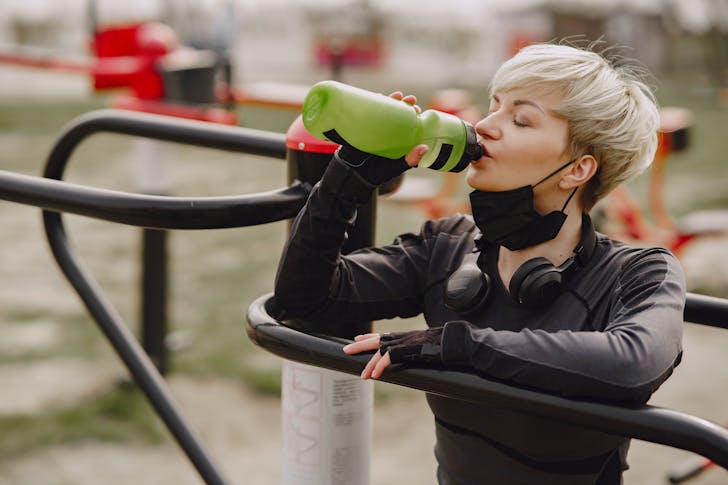
Gus / Pexels / PICALM responds directly to physical activity, which means your workouts trigger a chain reaction inside your cells.
This reaction supports muscle formation at a deeper level than previously understood.
Interestingly, fasting also seems to play a role. The research suggests that periods without food can activate similar pathways. This does not mean skipping meals will magically build muscle, but it shows your body uses different signals to manage growth and repair.
When you combine exercise with smart nutrition habits, PICALM becomes more active. That activity helps muscle cells align, fuse, and grow stronger.
This finding adds a new layer to something fitness experts have said for years. Training and diet work best together. Now we can see that connection happening at the molecular level, not just in theory.
Protein and Training Still Drive Results

Olly / Pexels / Your body builds muscle through a balance between building new protein and breaking down old tissue. To grow, you need that balance to lean toward building.
Resistance training pushes your body in that direction. When you challenge your muscles, you create small amounts of damage. Your body responds by repairing and strengthening those fibers, making them bigger and stronger over time.
Protein intake supports the repair process. Without enough protein, your body cannot rebuild effectively. Studies continue to show that combining resistance training with adequate protein leads to better strength, larger muscle size, and improved body composition.
In practical terms, people who train a few times per week and consume enough protein see clear results. This includes increases in strength and lean mass, along with better overall muscle quality. These outcomes are consistent across many controlled studies.
Eating carbohydrates before a workout can help fuel your session. Taking in protein after training gives your muscles the building blocks they need right when they need them most.
Research on beginners shows this clearly. Those who added a protein drink after workouts gained more strength and muscle size than those who only trained. That difference highlights how small habits can add up over time.