Here’s How Tiny Houses Offer Minimalist, Sustainable Living
Tiny houses are not a trend built on novelty or shock value. They grew out of frustration with debt, clutter, and homes that feel more like storage units than places to live. Since the late 1990s, this movement has attracted people who want control over their time, money, and impact on the planet.
Living in a tiny house is more than choosing smaller square footage. It is a lifestyle decision that favors intention over excess. It pulls attention away from stuff and pushes it back toward experiences, relationships, and freedom.
That shift is the real reason tiny houses continue to gain traction around the world.
You Can Live With Less Without Feeling Deprived
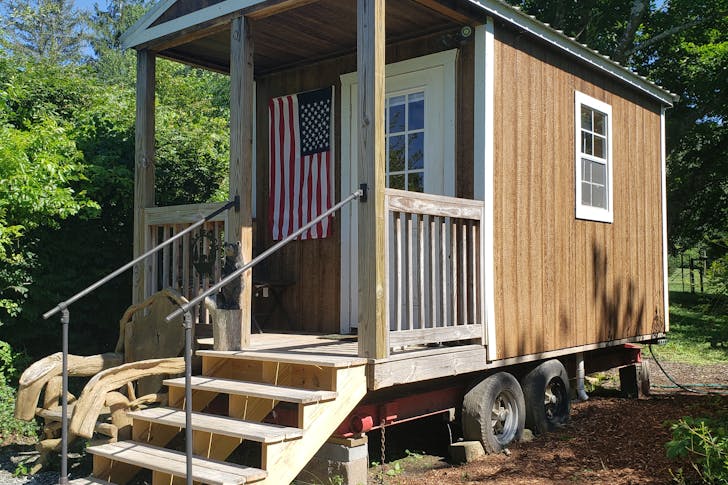
Harry / Pexels / Minimalism is all about owning what earns its place. A tiny house forces that mindset from day one because there is no room for clutter to hide.
Every item has a purpose, and every purchase gets questioned.
That process feels uncomfortable at first, but it quickly becomes freeing. Without piles of unused things, cleaning takes minutes instead of hours. Spaces stay calm and easy to manage. Many people find that fewer distractions help them focus better and feel less stressed at home.
Thoughtful design is what makes small living work. Tiny houses aren’t built as visual statements; they’re built for everyday use. Storage slips into staircases, walls, and custom furniture. Spaces serve more than one purpose without feeling crowded or awkward. Instead of feeling boxed in, the home feels purposeful and efficient.
Cut Costs and Gain Financial Freedom
Tiny houses are cheaper across the board—less to build, less to buy, and less to maintain. That single difference reshapes the entire financial picture. Smaller price tags mean smaller loans, or no loans at all. With less space to heat, cool, and fix, monthly expenses drop almost immediately.
Many owners finish paying off their homes in a fraction of the time most mortgages require. Without decades of debt, people gain options. They can save more, scale back work, or take professional risks they couldn’t afford before. That sense of control is a major draw, especially for younger buyers.
Utilities follow the same pattern. Smaller homes consume less energy and water by default. Some owners reduce costs even further through solar power, composting systems, or rainwater capture. Month by month, those savings become hard to ignore.
A Smaller Home With a Lighter Environmental Footprint
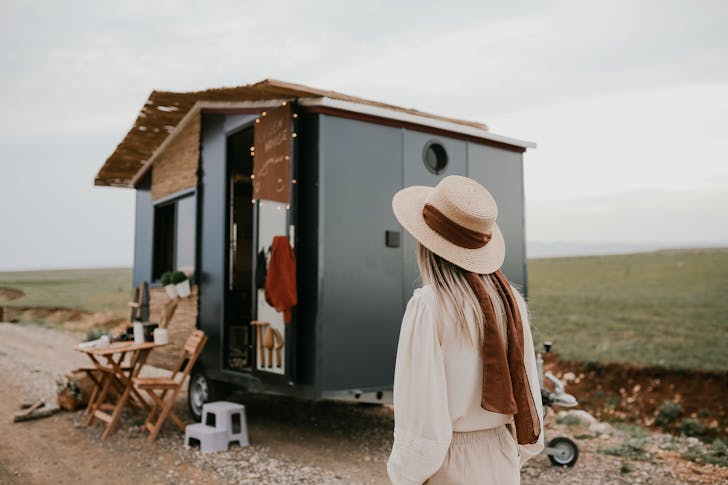
MLK / Pexels / Tiny houses naturally use fewer materials during construction. Less lumber, less concrete, and fewer finishes mean lower environmental impact from the start.
That efficiency continues long after move-in day.
Heating and cooling a small space takes far less energy. Many tiny homes rely on mini-split systems, wood stoves, or passive solar design. Some operate fully off-grid, producing their own power and managing their own water.
Lower energy use translates directly into fewer emissions. Compared to standard homes, tiny houses produce significantly less carbon output each year. That difference matters as housing remains one of the largest contributors to environmental strain.
Sustainable materials often show up in tiny house builds. Reclaimed wood, recycled steel, and low VOC finishes are common choices. Builders focus on durability because every material has to earn its keep in a small space.
Freedom on Wheels and Off-Grid Living
Tiny homes on wheels appeal to people who want mobility without giving up comfort. These homes can move with changing seasons, job opportunities, or personal goals. For some, that flexibility is the entire point.
Off-grid systems are what make this way of living viable. Solar panels handle electricity needs. Rainwater collection systems supply water. Composting or incinerating toilets manage waste. For heat, many homes rely on wood stoves or propane heaters, allowing them to stay comfortable even far from established utilities.
Built examples show just how practical these setups can be. With careful planning, homes under twenty feet long can include full kitchens, bathrooms, sleeping lofts, and living areas. Thoughtful layouts make it possible for families—not just solo travelers—to live in these spaces comfortably.
That said, a mobile lifestyle comes with added responsibility. Power, water, and waste systems need regular attention. Finding legal and practical places to park takes planning. For many, those challenges are a fair trade for freedom, flexibility, and a sense of adventure.